Concrete is used in most construction projects worldwide and is known for its strength and durability. However, many people are unaware of the inherent flaw of concrete – its fragile sensitivity to breaking under stress. This is where steel reinforcement, the unsung construction hero, steps in.
The Influence of Collaboration
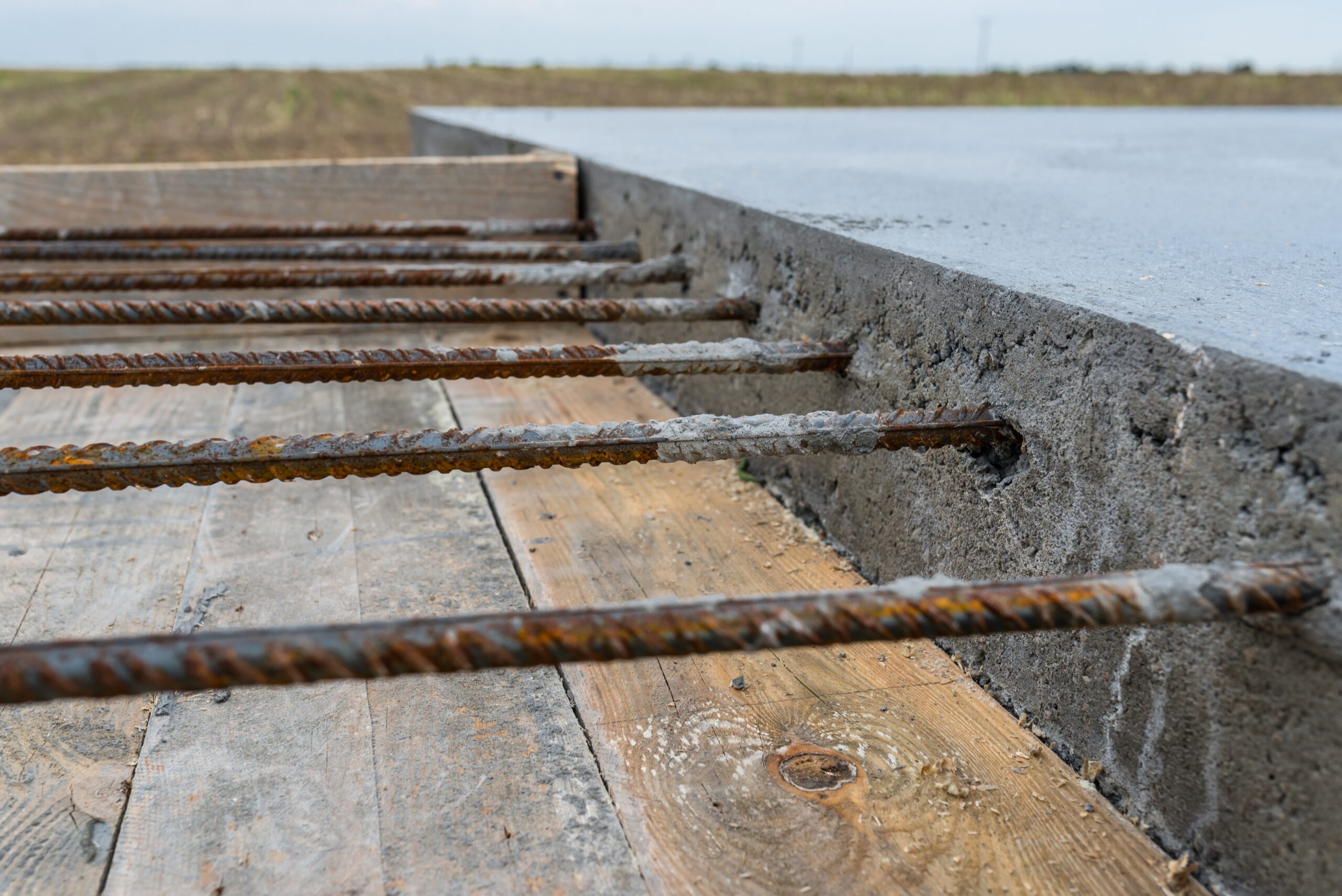
High-strength, distorted steel bars are the most frequent material used to make steel reinforcement, often known as rebar. When set into concrete, these bars form a strong alliance. Steel is better in tension (pulling apart), but concrete is better at resisting compressive stresses (pressing down). Combined, they create reinforced concrete, a composite material highly regarded in the building industry.
Advantages of Reinforcement
- Enhanced Tensile Strength – Concrete’s resistance to pulling forces significantly increases when steel reinforcement is incorporated. This prevents cracks and reduces the risk of them advancing, strengthening the concrete’s structural stability under pressure.
- Increased Flexibility – Steel reinforcing makes concrete more ductile, letting it bend slightly under load without the risk of cracking. This improves the structure’s capacity to withstand shock and gives important warning signs before failing.
- Versatility and Design Freedom – Engineers can build concrete elements to withstand a broad range of stresses and shapes by carefully positioning and adjusting the quantity of steel reinforcement. This makes constructing majestic bridges, towering skyscrapers, and many other buildings possible.
Which Buildings Typically Require Steel Reinforcement?
Steel reinforcement is necessary for many buildings because of the limitations of concrete under tension. Examples of constructions that require steel reinforcement include:
- High-rise structures
- Beams and Slabs
- Foundations
- Walls
- Bridges
An Essential Component of Contemporary Building
Concrete and steel are more than just strong materials. In most situations, the high alkalinity of concrete forms a protective coating around the steel, preventing corrosion. Furthermore, the long-term integrity of the steel reinforcement is guaranteed by a suitable concrete cover over it.
Steel reinforcement is essential for constructing complex bridges, dams, and tall skyscrapers. It also shapes our constructed environment. Its capacity to change concrete from a fragile to a resilient material has revolutionised the building industry and enabled us to create stronger, safer, and more inventive structures. So, remember the unseen hero inside—the steel reinforcement, the quiet companion that makes it all possible—the next time you are in awe of concrete art.
Cempump offers a swift and professional flow screeding service. Contact our team to discuss your requirements on 01332 410021.