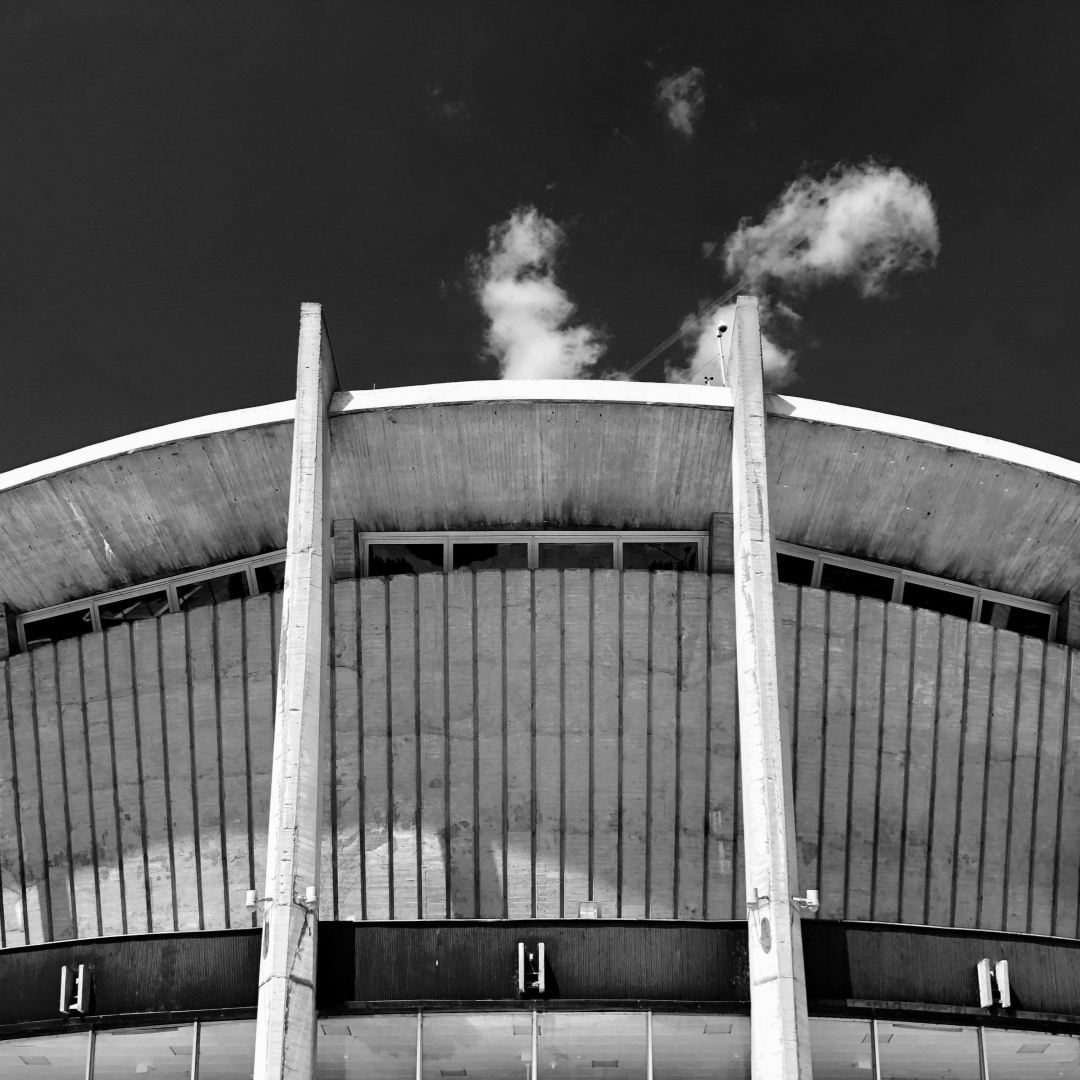
Concrete has many uses; concrete surfaces can be smooth, textured, or coloured to improve a building’s appearance. Concrete is one of architectural history’s most flexible and dynamic building materials. This blog looks at the role of concrete in architecture.
Modern Architecture
Modern architecture has shown that concrete can be used for many building methods. Architectural concrete is a key design technique in contemporary architecture due to its versatility. It can create countless architectural effects if polished, brushed, hammered, engraved, poured, or ground.
Architectural concrete can provide a reliable construction procedure and an appealing finish and sometimes solve civil engineering, structural, and economic issues innovatively. Contractors and architects must provide waterproof and structural performance while maintaining the desired aesthetic finish to build architectural concrete.
Many things can affect concrete design and specification, including mix design, potential admixtures, steel reinforcement and control joints. There are ways to preserve concrete architecture’s beauty. These include:
Cleaning – Frequent cleaning helps preserve concrete’s beauty by removing debris, pollutants, and efflorescence.
Inspection – Regular inspections help find early damage indicators like corrosion, cracks, and spalling so that repairs can be made swiftly.
Sealing – Water penetration can result in freeze-thaw damage and other deterioration. You can prevent this by using a protective sealer.
Concrete Architecture History
Concrete is essential to construction. It has long been used for its versatility and utility. Architectural concrete is used in stadiums, museums, roadways, bridges, and music halls because of its many creative uses. Concrete has been improved over thousands of years and blended with other chemicals to become modern concrete. Masonry, water, crushed limestone, and fire have built lasting structures.
Brutalist Concrete Architecture
In the mid-1900s, brutalism in concrete design was popular in institutional buildings. The mid-1970s saw the growth of brutalism, which lives on in concrete architecture. Brutalist buildings are imposing and geometric. Brutalism, known for its brutal aesthetic and functional architecture, comes from “béton brut,” French for “raw concrete.” The name brutalist architecture got its name from post-war concerns and modernist ideals. Massive poured concrete provides buildings with a harsh, blocky look.
In Summary
Concrete is a durable, strong, and adaptable building material in many forms, colours, and admixtures. Concrete can be stamped to seem like brick, cobblestone, river rock, and wood without costing more than hand-carving. Architectural concrete will last since it can withstand weather and time and retain a look.
Architects and project planners use architectural concrete to design cultural constructions. Fresh concrete design allows almost all building projects to generate any shape or quality affordably.
Cempump offers swift and professional concrete pumping. Contact our team to discuss your requirements on 01332 410021.